澎湃新闻记者从唐师曾多位友人处获悉,知名战地记者唐师曾已于2026年8月23日在北京逝世,享年65岁。 Planes packed with summer travelers boosted Delta Air Lines to a $1.11 billion profit in the third quarter, and the carrier said Thursday that it expects revenue to keep rising into the holiday season.Profit was up 59% from a year earlier, as strong ticket sales — especially for premium seats and international flights — helped Delta shrug off higher labor costs.The Atlanta-based airline predicted ranges for fourth-quarter and full-year profit that mostly exceed Wall Street expectations.“I think we’re closing the year strong, and the holiday bookings that we see right now are pretty good,” CEO Ed Bastian said in an interview. “Domestic (travel) is solid, and international is really strong.”U.S. airlines are flying high as the travel recovery that began last year shows few signs of slowing down.Delta increased its passenger-carrying capacity an aggressive 16% and was able to fill all those extra seats. Travelers flew 64 billion miles on the airline in the quarter, a 17% increase, and they filled 88% of the seats on the average flight, a point higher than last summer.Revenue from ticket sales in the main cabin grew 12% — and 17% for premium seating. Money from Delta’s loyalty program soared 21%.The program, called SkyMiles, has become so popular that there are far more passengers hoping for upgrades to better seats than available seats. Lines can grow long at Delta lounges at busy airports like Atlanta and New York’s JFK.But when Delta announced changes to deal with the overcrowding last month — including basing elite frequent-flyer status purely on spending, and limiting lounge access for holders of Delta credit cards — the reaction from longtime customers was quick and brutal. Some vowed to switch airlines. Alaska Airlines and JetBlue fished for disgruntled Delta members by promising elite status in their programs. Even Bastian admitted the airline “ probably went too far.” Bastian has promised to modify the unpopular changes, but he hasn’t given any details yet.“We are working on that. We’ll be announcing something in the coming days,” Bastian said in the interview. He said he has received “a lot of feedback – everyone had their own ideas as to how we might restructure the program. Almost universally, people acknowledged that we needed to do something.” Delta's third-quarter profit, adjusted to exclude one-time items, was $2.03 per share, 8 cents better than forecast by analysts in a FactSet survey. Revenue rose 11% to $15.49 billion, also beating expectations.For the fourth quarter, Delta said revenue will rise as much as 11% from a year ago and it will earn between $1.05 to $1.30 per share. Analysts expected $1.09.The airline predicted that full-year profit will land between $6 and $6.25 per share after saying in June it would be at the top end of a $5-to-$6 range. The short-term outlook would be rosier if not for a recent pickup in jet fuel prices — although fuel is still much cheaper than it was a year ago. Bastian expressed confidence that Delta and other carriers can raise prices enough to cover any increase in fuel expense. Shares of Delta were virtually flat in morning trading.。
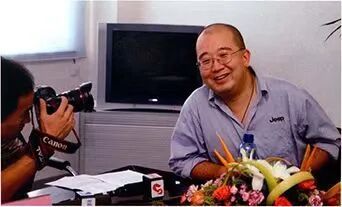 对于很多年轻人来说,唐师曾这个名字或许已经有些遥远。

B | 但在上世纪90年代,他曾是中国最知名的记者之一。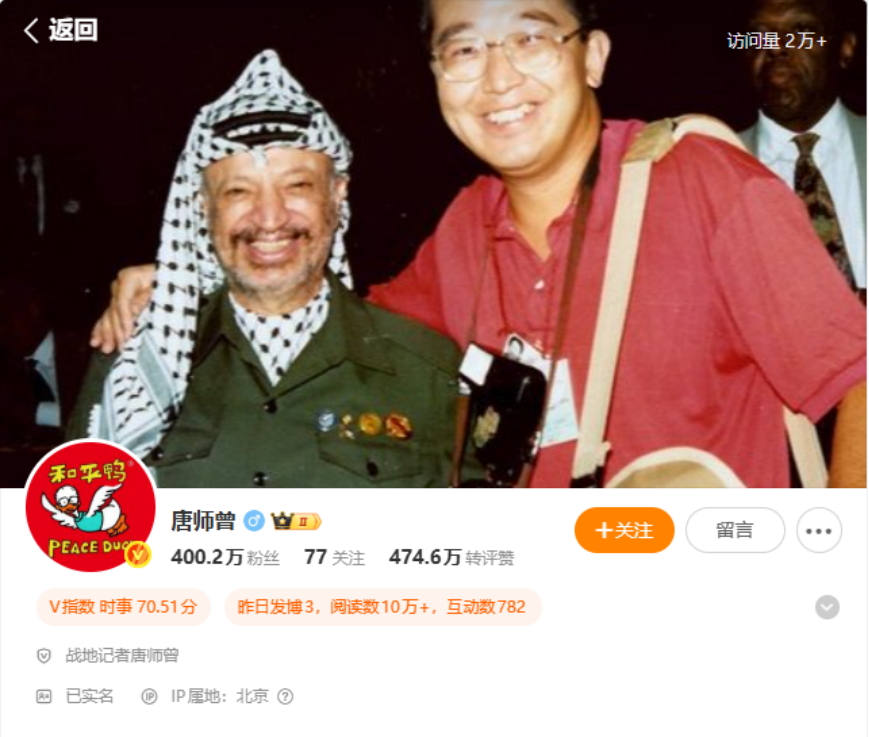 海湾战争、巴格达、耶路撒冷、可可西里、南极、珠峰……这些相隔万里的地名,曾经密集地出现在他的履历里。

C | 他是新华社摄影记者,同行习惯叫他“唐老鸭”。1991年海湾战争期间,他辗转交战双方采访,是最后撤离巴格达的中国记者之一,也是第一个在以色列公开采访的中国记者。此后,他采访过阿拉法特、拉宾、佩雷斯、曼德拉、穆巴拉克、卡扎菲等众多国际人物。
从大学讲台到新闻现场唐师曾1961年出生于北京,祖籍江苏无锡,毕业于北京大学国际政治系。在北大读书时,他经常经过未名湖畔的埃德加·斯诺墓。多年以后,他回忆,那时候自己每次路过,都会献上一花一草。

D | 他崇拜斯诺,也崇拜约翰·里德和罗伯特·卡帕。特别是卡帕那句著名的话——如果照片拍得不够好,是因为离得不够近——后来几乎成为唐师曾理解摄影记者这个职业的一把钥匙。

E | 大学毕业后,唐师曾曾到中国政法大学任教,但他还是想当记者。他后来回忆,大约1986年,在同事帮助下找到了著名记者、作家萧乾的住址,登门拜访。此后他又接连报考多家媒体,最终进入新华社。唐师曾自己说,是时任新华社社长穆青“破格引进”了他。

F | 刚进新华社时,他跑的是北京新闻,也被同行取了个“唐老鸭”的绰号。

G | 他曾解释自己为什么叫“唐老鸭”:年轻时跑突发新闻,采访现场总是乱哄哄的,镜头被人挡住,他就急得冲着别人叫,非要挤出一条拍摄通道不可。时间久了,同行便给他起了这个外号。那时候没有智能手机,连移动通讯都是稀罕物。为了比别人更早知道哪里出了新闻,唐师曾很早就买了BP机。他还特意要了一个好记的号码“5566”。理由很简单:报纸上经常能看到自己拍的照片,别人得能随时找到他。1987年,他又开始使用当时十分少见的移动电话。机器很大,说话时要按住按键,听的时候再松开。他把这些装备看成记者的一部分——要第一个知道消息、第一个赶到现场、第一个把新闻传出去。

H | 那几年,他甚至总结出一套自己的“闪击”式跑新闻方法。
成为战地记者真正改变他的记者生涯是在1990年的夏天。

I | 那年8月2日,唐师曾正在可可西里参加科考。在海拔很高的荒原上,他从收音机里听到了伊拉克入侵科威特的消息。他的第一反应是“我也要去现场”。1990年底,他前往巴格达。

J | 进入巴格达后,唐师曾首先面对的并不是枪炮,而是等待。联合国要求伊拉克在1991年1月15日前从科威特撤军,随着最后期限临近,战争一触即发,各国人员陆续撤离。就在这一阶段,时任联合国秘书长佩雷斯·德奎利亚尔突然抵达巴格达,与伊拉克方面进行最后的外交斡旋。唐师曾后来回忆,这是自己当年在巴格达抢到的一个重要现场。德奎利亚尔来去匆匆,他在机场举行简短的新闻发布会,唐师曾赶到现场拍下了这一幕。战争最终爆发。由于安全等原因,唐师曾撤离伊拉克,成为最后撤离巴格达的中国记者之一。

K | 不过,他没有就此回国,而是转往战争的另一侧——以色列。

L | 那时中以尚未正式建交,他后来成为第一个在以色列公开采访的中国记者,并使用以色列电头向国内发稿。

M | 在以色列,战争从新闻变成了每天都可能发生在身边的现实。

N | 伊拉克不断向以色列发射“飞毛腿”导弹,以色列则部署“爱国者”导弹进行拦截。
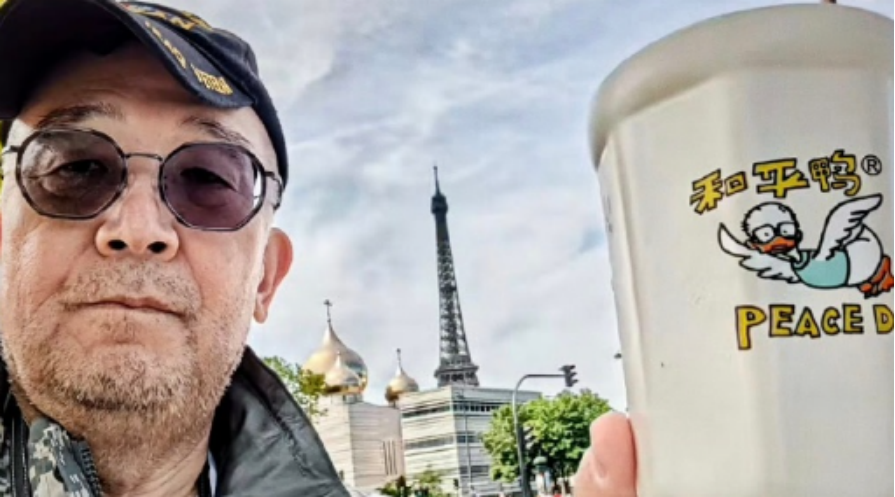
(图片来源:唐师曾微博)唐师曾后来回忆,那段时间自己就在特拉维夫“挨炸”。与今天的数字化报道不同,当年的战地摄影是一套相当笨重的工作:除了照相机,他还随身携带放大机、放大纸、显影罐和传真机等设备,“一个人带着六个箱子”。每到一个地方,他常常要像搬家一样来回几趟搬运设备,然后冲洗、放大照片,再通过传真设备把图片传回去。唐师曾并不回避自己在战场上的恐惧。2003年,有网友问他采访时是否害怕流弹,他回答得很干脆:“害怕。”他还说,自己是新华社摄影部第一个购买钢盔的人,此后有记者前往战场,也会到他熟悉的军品店购买钢盔。

o | 另一场访谈中,他还提到自己当年给自己定过两条规定:“第一,不死;第二,不疯。”
生病之后,仍没有放下手中的笔战争留给唐师曾的,不只是照片和故事,也包括一副逐渐不再允许他“横冲直撞”的身体。1997年,36岁的唐师曾病倒了,患上“再生障碍性贫血”,从1997年开始前后住过多次医院,做过4次骨穿手术。
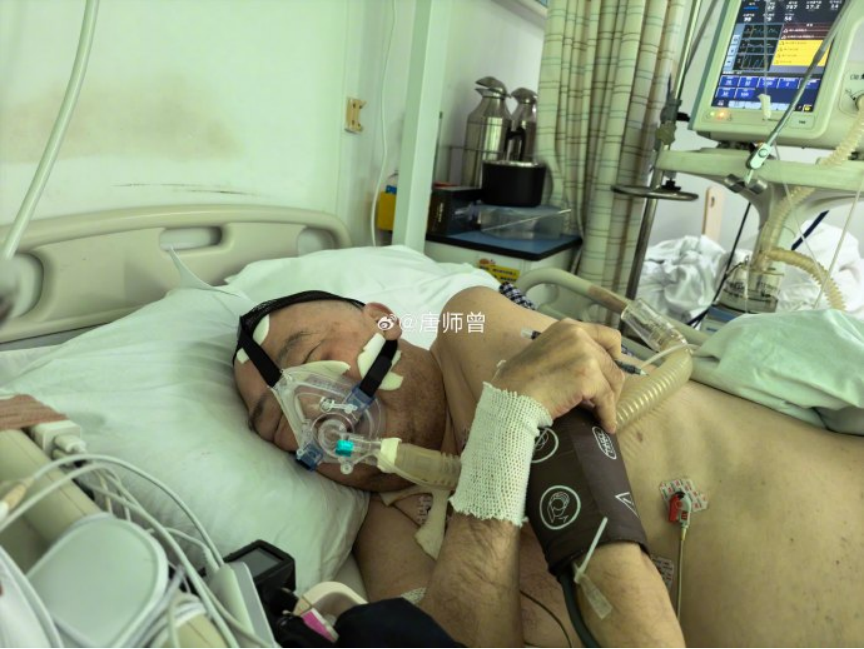
(唐师曾微博2026年8月22日发布的照片)病得最重的那几年,他没有完全停下写作。1998年,唐师曾在病床上完成《我钻进了金字塔》。到了2000年,海湾战争爆发10周年,他又惦记起了伊拉克。

p | 当时身体仍未恢复,单位让他在家休养,他却决定以私人身份、自费重返巴格达。光明网后来刊载的《重返巴格达》书摘,将当时的他形容为“拖着病重的身躯”再次前往伊拉克。

q | 2004年,由于此前患上的血液病仍未康复,但他那一年仍参加了法国“诺曼底登陆60周年”纪念活动,重新走访二战旧战场。

r | 有人曾问他,为了采访摔伤腿,后来又患上血液病,“几乎搭上了命”,究竟亏不亏?唐师曾回答:“不后悔,我认为值。”他说,人的生命一闪而过,能够从事自己喜欢的职业,又亲历那么多大事件,是自己的幸运。很多年前,他还算过一道关于人生的算术题。假如一个人活70岁,也不过25550天。前面要读书,后来会老去,中间还有工作、家庭和无数日常琐事,真正可以做自己喜欢事情的时间,其实没有想象中那么多。“我是为新闻而生的,为此永远朝着自己心中的目标努力,中国话叫‘狐死首丘’。活一天,就要做一天新闻。”唐师曾在一次访谈中这样说道。来源:新华日报·交汇点 记者范杰逊 资料来源:北大新闻网、澎湃新闻、央视网、中国新闻网